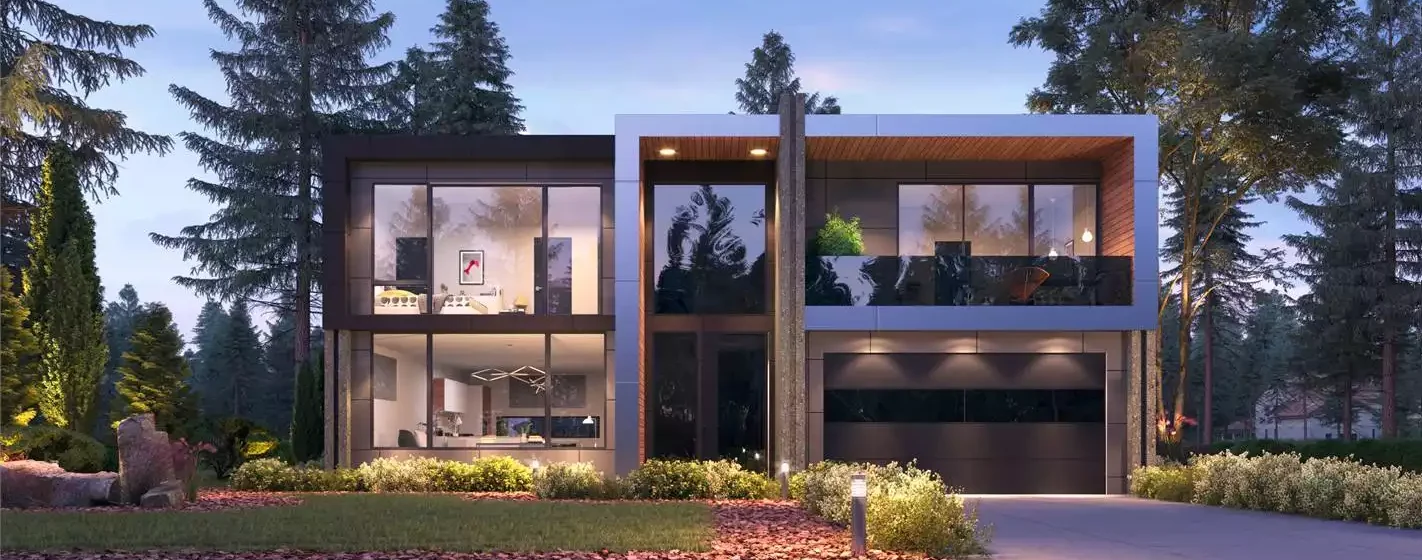
What to Expect During the Modern Home Building Process
Thinking about building a modern home? It’s an exciting journey, but like any major step, it helps to know what lies ahead. From early planning to the final walkthrough, every phase plays an important role. This guide walks you through the full process so you can feel more confident and comfortable along the way.
Starting with a Clear Plan
Everything begins with an idea. Maybe it’s a sleek city house or a spacious retreat. No matter the style, the process starts with a conversation. Architects and designers will ask about your lifestyle, space needs, preferences, and long-term plans.
You’ll review layout options, room sizes, material choices, and energy-saving features. This phase also includes early budget planning. It’s not just about building a structure—it’s about shaping a space that fits your everyday life.
Finalizing Designs and Approvals
Once the initial concept feels right, it’s time to move into technical designs. These include blueprints, structural details, and system layouts like electrical and plumbing. The design team works closely with construction to balance design with practicality.
Next, you’ll enter the approval process. Permits are needed in most locations, and timelines can vary. Builders typically manage this step and keep you posted. Though it may feel slow, this phase builds the foundation for smooth progress ahead.
Pre-Construction Preparation
With approvals in place, site prep begins. This involves clearing the land, leveling the surface, and setting up for foundation work. Utility connections are also planned at this point.
You’ll be introduced to your project manager—your main contact throughout the build. You’ll talk through timelines, communication methods, and what to expect each week. Some builders even offer apps or digital dashboards so you can follow the progress in real-time.
Foundation and Framing
Now, things begin to take shape. The foundation goes in first—this might be a concrete slab, crawl space, or full basement depending on your design. Once it’s set and solid, framing begins. That includes floors, walls, and roof outlines.
At this point, the structure becomes more recognizable. You can finally walk through and experience the space. It’s often the moment when the whole project starts to feel real.
Systems Installation and Inspections
Once framing is complete, work begins on what’s behind the walls. Electricians, plumbers, and HVAC crews install the systems your home needs to function properly. This includes pipes, wires, ducts, and outlet placements.
Inspections also happen during this time. These checks confirm that systems are set up correctly before the walls go up. While this phase may not be visually dramatic, it plays a key role in keeping your home running smoothly later on.
Interior and Exterior Work
With systems in place, the interior begins to take form. Drywall is installed, flooring is laid, and details like baseboards and trim go in. Cabinets, appliances, and lighting follow. Outside, work continues on roofing, siding, and driveways.
You’ll also make key style decisions during this phase—paint colors, hardware finishes, backsplash designs, and more. Many builders offer design centers to help you see and choose real samples, making this step more enjoyable and less stressful.
This is when the house starts to feel like home.
Interior and Exterior Work
As construction wraps up, it’s time for your final walkthrough. You and your builder go through the home, room by room, checking that everything is in place. This includes doors, fixtures, switches, and any features you selected. If anything needs adjustment, it’ll be addressed before move-in.
You’ll also get familiar with how the home works—where the main shutoffs are, how the thermostat functions, and other key points. A printed or digital homeowner’s guide may be provided for easy reference.
After the final touches are complete, your keys are handed over—and move-in day is officially here.
What Happens After You Move In?
Modern homes are built to support long-term living. That said, it’s common for small things to shift or settle in the first few months. Many builders offer a follow-up visit to address anything that comes up during this time.
This is usually known as the warranty phase. If any concerns appear after you move in—like a sticking door or a loose fixture—you can submit a service request to get it resolved.
You’ll also receive tips for caring for your new home, so it stays in great condition moving forward.
Final Thoughts
Building a modern home doesn’t have to feel overwhelming. When you know what to expect, the process becomes more manageable—and even enjoyable. From early planning to move-in day, it’s all about thoughtful steps and clear communication.With Dreamspacesby your side, you’ll stay informed and involved every step of the way. The result? A home built with care, shaped around how you live, and ready for years to come.